Anchor piece
Mapping the ecosystem for a water accessibility and education non-profit
The problem space began with three user groups, two countries, one website and an organization that needed to clearly distinguish UX challenges from customer discovery.

Overview
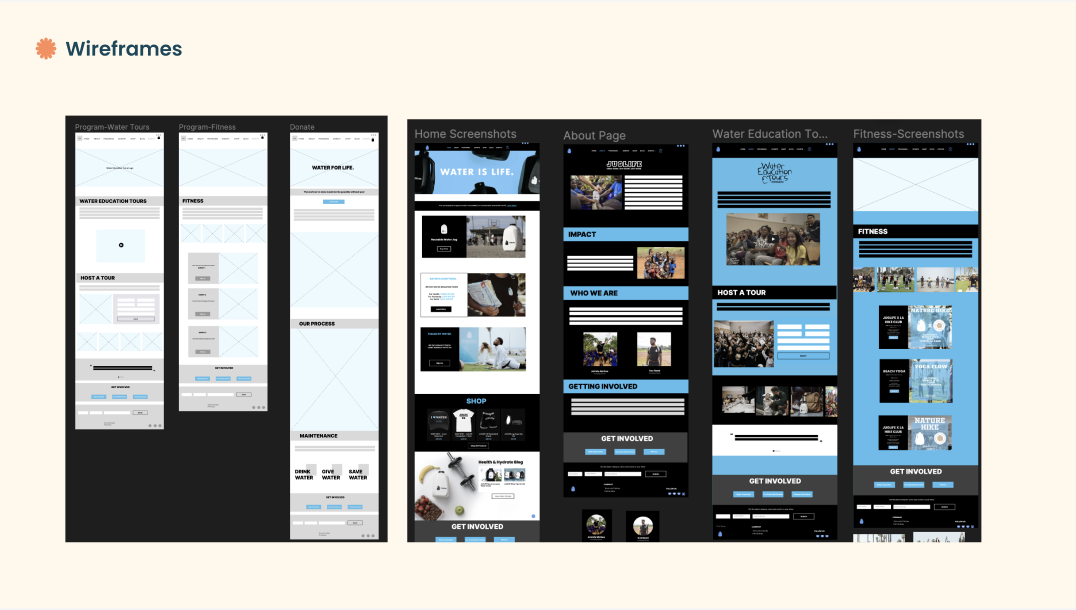
Juglife hosts water education assemblies for elementary and middle school students in the United States and raises funds to build water wells for schools in Uganda. Introducing UX to the organization helped determine appropriate website accelerators for fundraising and engagement. Developing a service blueprint helped streamline the customer experience and meet the growing participatory demand.
4x
Online fundraising
10x
Email subscribers
8x
Event participation
2
Countries served
Identified User Groups
Participants
People living in target cities and want to attend the foundation's events and assemblies.
Donors
People who support the foundation's mission financially.
Promoters
People that value health and want to amplify the foundation's purpose.
Problem space
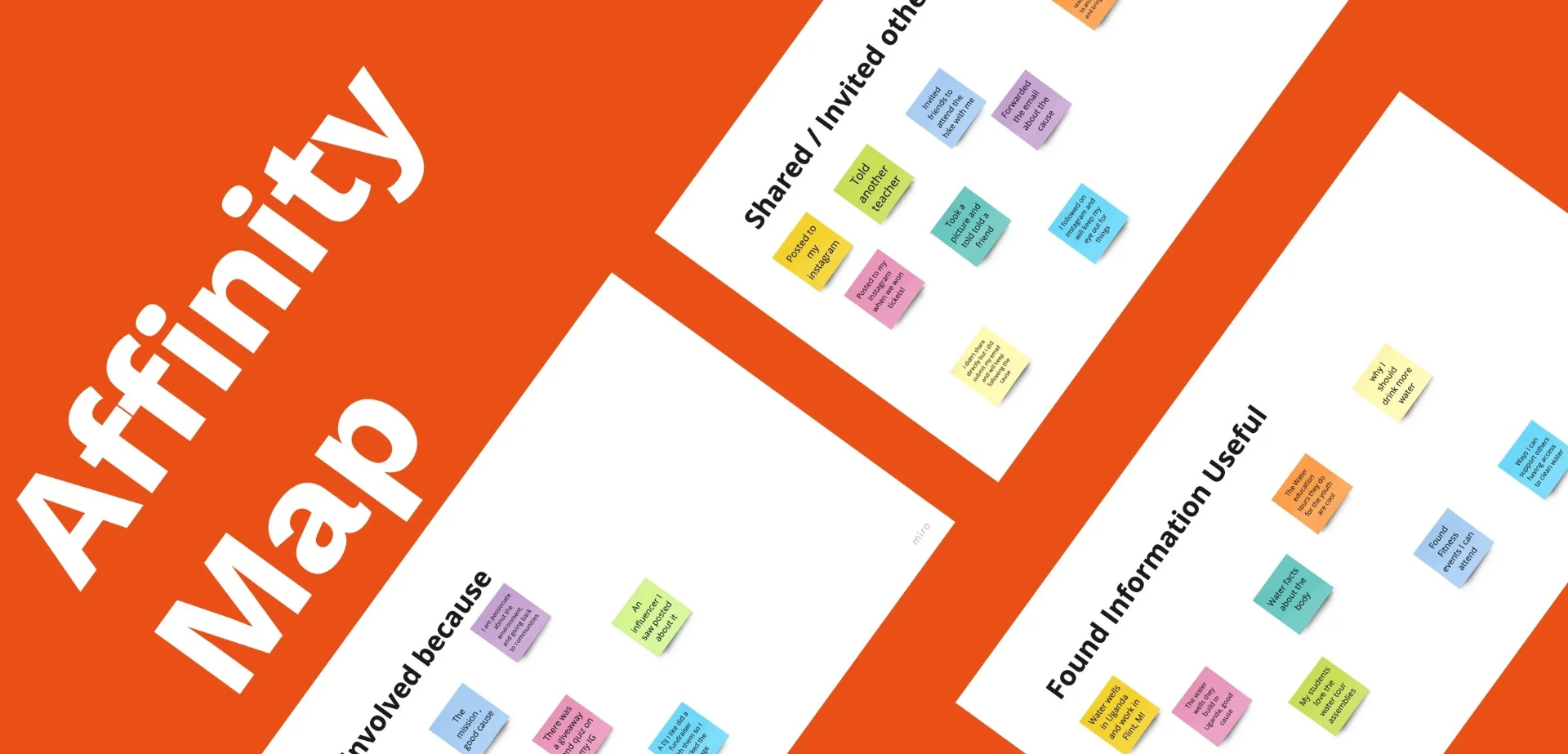
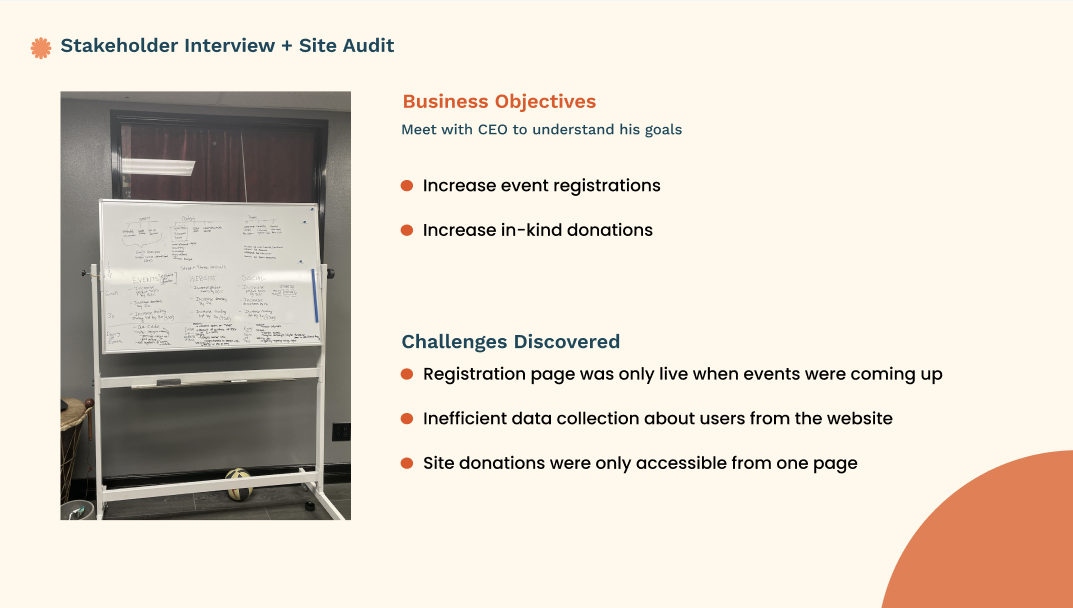
Donors, educators and school partners each arrived looking for something different, and the navigation forced all of them down the same path. Nothing separated UX insight from customer discovery, so the team could not tell whether a drop-off was a comprehension challenge or motivation challenge.
Process
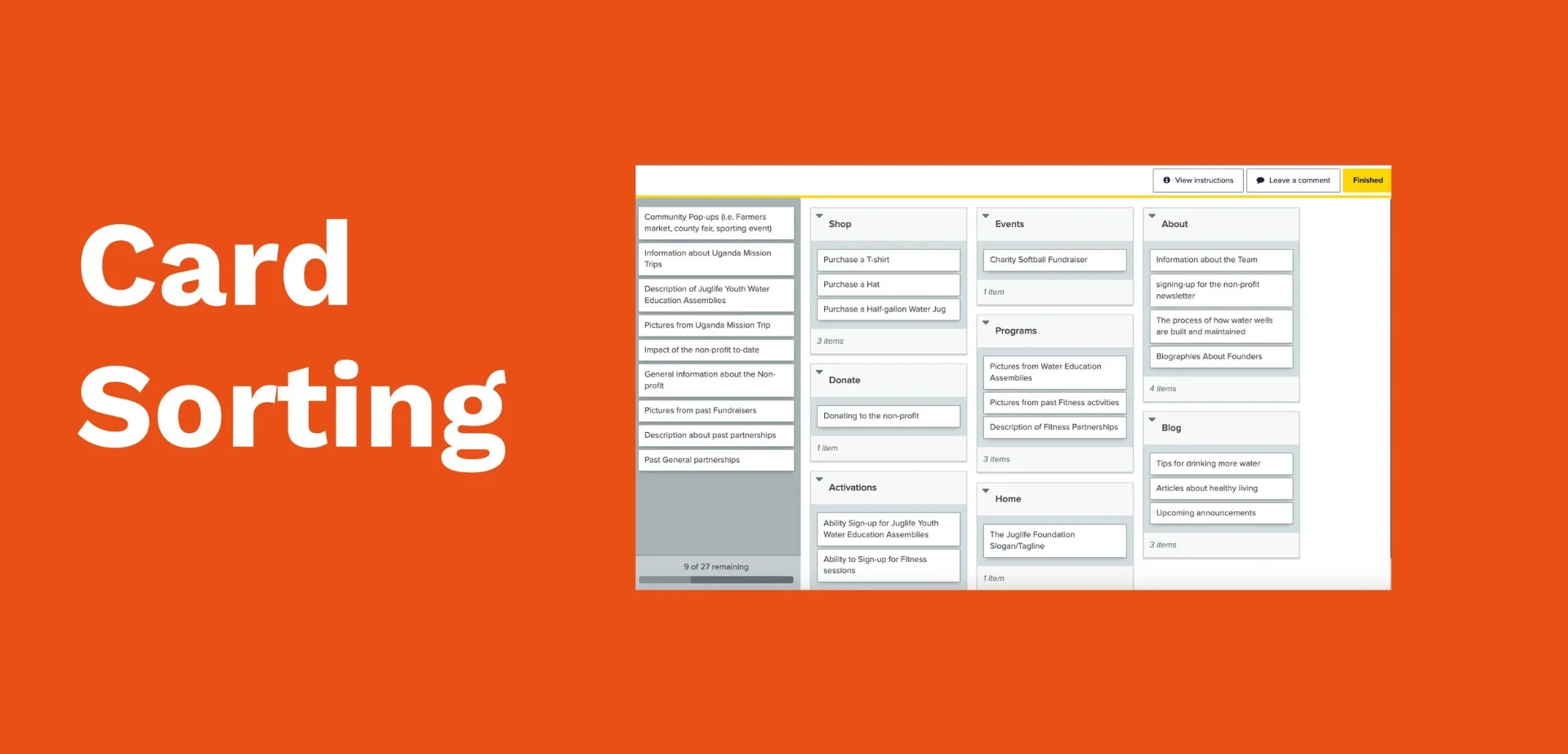
Card Sorting
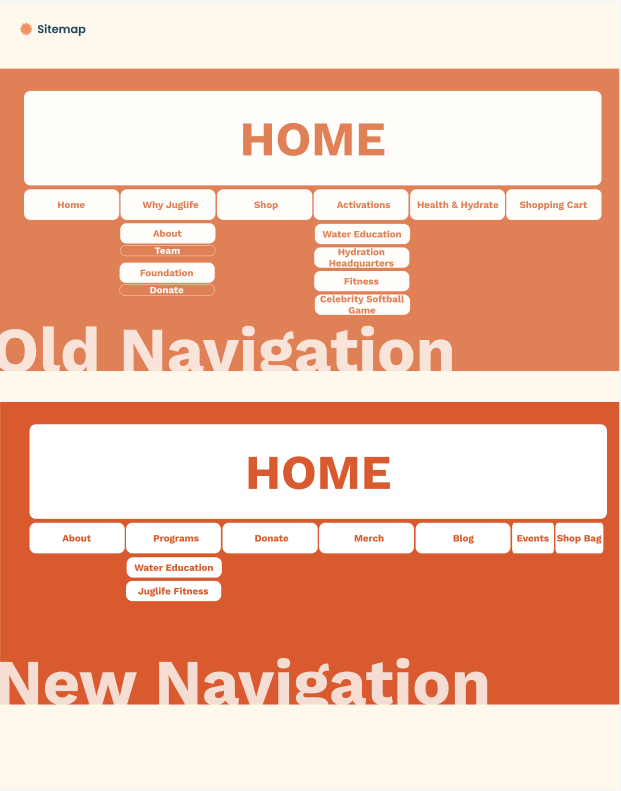
Rebuilt the information architecture around donor, educator and volunteer mental models.
Research Goals
Defined goals that explicitly separated UX insights from customer discovery.
User Profiles
Introduced user profile matrices showing high-impact segments to stakeholders.
Lean Design
Aligned UX goals with organizational objectives inside a non-profit budget.
Insights
- Impact reporting and progress reports related to number of schools, students and water wells built, became a conversion opportunity.
- Educators booked assemblies on a school-year rhythm, this became a functional design opportunity the site could adapt to.
- Email was the highest-leverage channel, subscribers converted at a far higher rate than social media traffic.
Outcome
4x
online fundraising
10x
Subscribers
8x
event participation